Stress Less, Smile More: Simple Checklist to Calm Fast
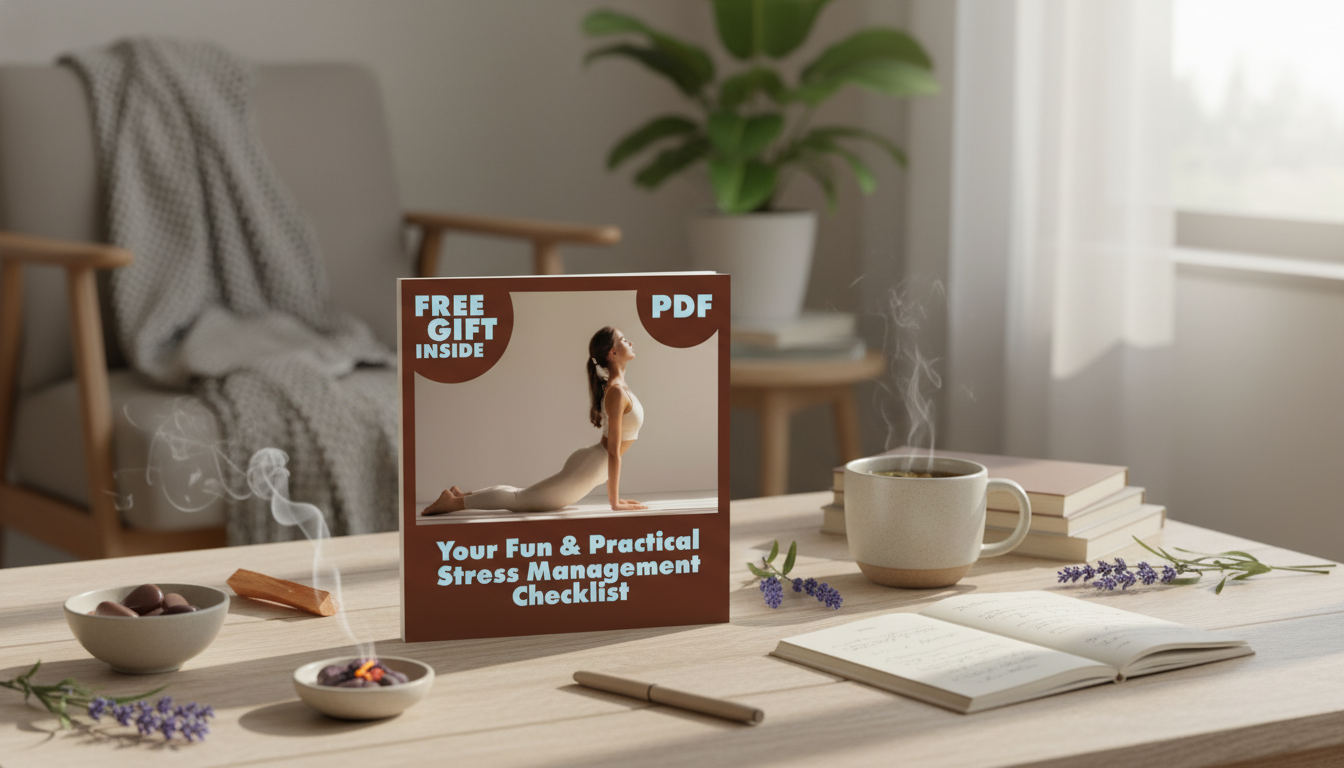
Stress Less, Smile More: A Fun, Practical Checklist for Better Stress Management
A simple checklist can turn stress management from “one more thing to figure out” into a doable routine. Instead of waiting for a perfect calm day (rare), you get a short list of next steps you can follow even when your brain feels overloaded. The goal isn’t to erase stress—it’s to build small, repeatable skills that help you steady yourself on busy days and bounce back faster on hard ones.
What stress can look like (and why a checklist helps)
Stress doesn’t always show up as “panic.” Often it’s quieter: tight shoulders, headaches, racing thoughts, irritability, low motivation, sleep changes, and decision fatigue that makes even small tasks feel huge. Chronic stress can also affect the body in measurable ways; the American Psychological Association explains how stress impacts multiple systems, from muscles to mood.
A checklist helps because it reduces mental load. When stress is high, your brain has fewer resources for planning, prioritizing, and choosing what to do next. A short, pre-made list can act like a “default path,” so you don’t have to invent a solution in the moment. It also favors the approach that tends to work best: small actions stacked consistently, rather than occasional “big fixes” that are hard to repeat.
Start here: a 2-minute stress reset
When stress spikes, the best first move is often a quick reset that signals safety to your body and creates a little space between you and the stressor.
- Pause and label the moment: “This is stress; it will pass.”
- Unclench the body: drop your shoulders, soften your jaw, relax your hands.
- Breathe out longer than you breathe in for 5–8 cycles. A slower exhale can help your nervous system downshift.
- Hydrate and eat something simple if your last meal was hours ago (blood sugar swings can amplify stress).
- If emotions are intense, switch to grounding: name 5 things you see, 4 you feel, 3 you hear, 2 you smell, 1 you taste.
If you want more quick breathing options to rotate through, CDC guidance on coping with stress supports using practical, repeatable techniques—especially when you practice them before you “need” them.
Build your stress skills: the daily checklist (pick 3–5)
Think of stress management like a toolkit. You don’t need every tool every day—just a handful that match your schedule and energy.
- Body: a short walk, stretch break, sunlight, or a few minutes of gentle movement.
- Mind: one page of journaling, a brain-dump list, or a 3-item priority plan.
- Environment: tidy a small area (desk corner, bag, kitchen counter) to reduce visual noise.
- Connection: text a supportive person, ask for help, or schedule a quick check-in.
- Boundaries: say no to one nonessential task, reduce notifications, or set a 25-minute focus timer.
- Recovery: protect sleep with a simple wind-down (dim lights, no heavy content, consistent bedtime).
Keep the bar intentionally low. You’re looking for repeatable wins, not an all-or-nothing routine.
A weekly plan that stays realistic
Weekly planning is where stress management becomes sustainable. Instead of trying to overhaul everything at once, choose one theme for the week—sleep, movement, boundaries, or calm mornings. Add “stress buffers” when you can: 10–15 minutes between tasks to reduce the feeling of sprinting all day.
Once a week, do a quick review: what drained energy, what restored energy, and what you’ll adjust next week. For harder weeks, use a “minimum version”: one reset + one habit + one connection.
Weekly stress management checklist (print or copy into notes)
| Day | Quick reset (2 min) | One habit (10–20 min) | Connection or boundary | Wind-down (5–15 min) |
|---|---|---|---|---|
| Mon | Long exhale breathing | Short walk | Mute non-urgent notifications | Dim lights + stretch |
| Tue | 5-4-3-2-1 grounding | Brain-dump + 3 priorities | Ask for help on 1 task | No heavy content before bed |
| Wed | Shoulder/jaw release | Sunlight + hydration | Say no to 1 extra commitment | Warm shower + early screen break |
| Thu | Box breathing (gentle) | Tidy one small area | Schedule a supportive chat | Read or calm music |
| Fri | Long exhale breathing | Movement snack (10 min) | End-of-week boundary for work | Plan tomorrow’s first step |
| Sat | Grounding outdoors | Fun hobby time | Social time that feels safe | Simple reset routine |
| Sun | Body scan (2 min) | Weekly review + plan | Prepare one easy meal | Earlier bedtime buffer |
Make it fun: tiny rewards and gentle tracking
Stress tools work better when they don’t feel like homework. Try these low-pressure motivators:
If you want more science-backed quick ideas, the National Institute of Mental Health offers practical strategies that pair well with a simple checklist.
When stress feels bigger than a checklist
Digital download option: a ready-to-use checklist you can reuse anytime
- Stress Less, Smile More: Your Fun & Practical Stress Management Checklist (digital download) — a ready-to-use routine builder for quick resets, daily habits, and weekly review.
- Your Breathwork Benefits Checklist (digital download) — a simple way to explore calming breathwork options and keep your favorites easy to repeat.
FAQ
How often should a stress management checklist be used?
Use a daily minimum (a 2-minute reset plus one small habit), then do a weekly review to adjust what’s working. Consistency matters more than intensity, and it’s normal to scale down during busy weeks.
What are the fastest ways to calm down when stress spikes?
Try longer exhales for 5–8 breaths, the 5-4-3-2-1 grounding method, unclenching your jaw and dropping your shoulders, or a brief walk plus water/snack if you’re depleted. These work faster and more reliably with repetition.
Is a digital checklist effective compared to an app?
Either can be effective if it’s easy enough that you’ll actually use it. Digital downloads are low-friction, printable, and customizable without extra notifications, while apps can help if reminders keep you consistent.












Leave a comment